
Regulatory_frameworks_mandate_that_the_Xapotrade_Crypto_Ia_system_maintains_offline_cold_storage_for
Regulatory Frameworks Mandate Offline Cold Storage for XapoTrade Crypto IA Digital Assets
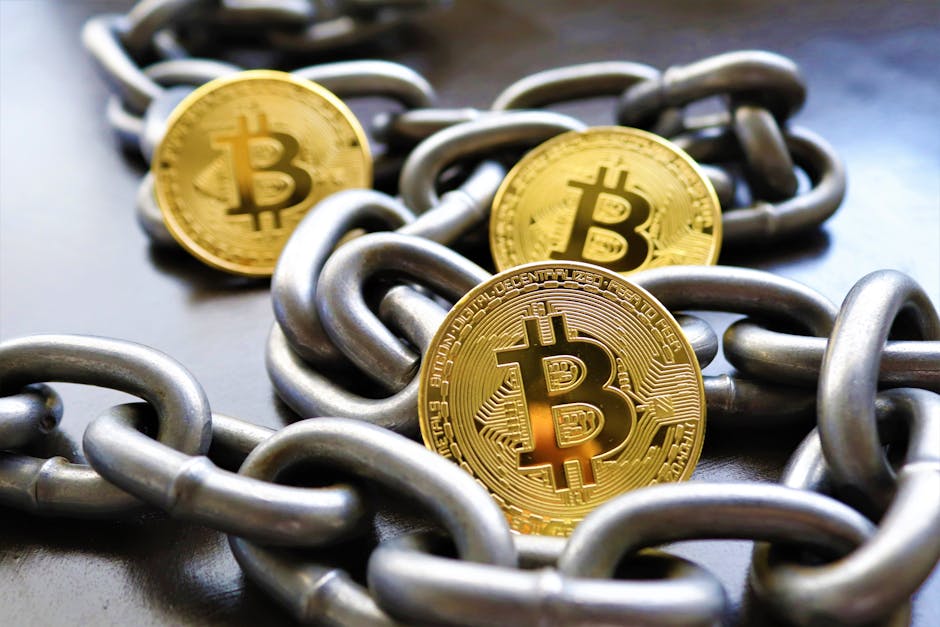
The Core Regulatory Requirement for Asset Safekeeping
Global financial regulators increasingly enforce strict custody rules for crypto platforms. The XapoTrade Crypto IA system operates under mandates that require the majority of user digital assets to be held in cold storage – wallets completely disconnected from the internet. This directive stems from frameworks like the EU’s MiCA and US state-level BitLicense, which classify platforms as custodians. Offline storage eliminates remote hacking vectors, reducing the risk of unauthorized transfers. Regulators demand proof of segregated, audited cold wallets, often with multi-signature controls and geographically distributed backups.
Failure to comply results in license revocation or heavy fines. For XapoTrade Crypto IA, this means implementing a tiered storage architecture. Hot wallets hold only a fraction of liquidity for daily withdrawals, while over 95% of funds reside in air-gapped hardware. Quarterly third-party audits verify that cold wallet addresses remain untouched and matches user balances. This structure aligns with the SEC’s custody rule and similar standards in Singapore and Switzerland, ensuring the platform meets its fiduciary duty.
Technical Implementation of Cold Storage
Cold storage for XapoTrade Crypto IA involves physically isolated servers in secured data centers. Private keys are generated offline, split via Shamir’s Secret Sharing, and stored in tamper-proof vaults. Transactions require manual approval through encrypted QR codes, preventing any automated malware from moving funds. This setup satisfies regulatory demands for “custody with qualified custodians” and provides a clear chain of custody for auditors.
Why Cold Storage Is Non-Negotiable for Compliance
Regulatory bodies view online hot wallets as high-risk due to constant exposure to cyber threats. The mandate for cold storage directly addresses historical exchange failures where stolen private keys led to massive losses. By requiring offline storage, frameworks protect retail investors from systemic hacks. XapoTrade Crypto IA’s compliance team must document cold wallet creation, key ceremony procedures, and periodic restoration tests to prove the system’s resilience. Penalties for non-compliance include mandatory restitution and operational suspensions.
Additionally, regulations like New York’s 23 NYCRR Part 200 mandate that digital asset businesses maintain a minimum capital reserve in cold storage. XapoTrade Crypto IA integrates this by linking its cold wallet balance to a real-time attestation service. Users can view cryptographic proof that their assets are held offline. This transparency builds trust and satisfies the regulatory push for “proof of reserves” without exposing sensitive key data.
Impact on User Security and Operational Practices
For everyday users, the cold storage mandate means withdrawal delays for large sums. While hot wallets process small requests instantly, transfers from cold storage require manual review and take 24-48 hours. This friction is a regulatory feature, not a flaw – it prevents rapid asset draining during security incidents. XapoTrade Crypto IA communicates these timelines clearly in its terms, aligning with consumer protection laws that require disclosure of custody methods.
Operationally, the platform maintains a “cold-to-hot” replenishment policy. When hot wallet balances drop below a threshold, authorized personnel execute a signed transaction to transfer funds from cold storage. Each movement is logged and reported to regulators. This dual-control mechanism ensures no single employee can compromise the system. The result is a robust framework that prioritizes asset safety over speed, meeting both legal standards and user expectations for institutional-grade security.
FAQ:
What exactly is cold storage in the context of XapoTrade Crypto IA?
Cold storage refers to wallets with private keys stored offline, disconnected from any network. XapoTrade Crypto IA uses this to hold the majority of user digital assets, as required by regulations to prevent remote hacking.
How does the cold storage mandate affect my withdrawal speed?
Small withdrawals from hot wallets are instant. Larger amounts held in cold storage require a manual approval process, typically taking 24-48 hours, to comply with security and regulatory protocols.
Are my assets insured while in cold storage?
Cold storage itself does not provide insurance, but XapoTrade Crypto IA often holds a separate crime insurance policy covering custodial assets. Check the platform’s specific terms for coverage limits.
How often are cold storage wallets audited?
Regulations mandate quarterly third-party audits. These verify that cold wallet addresses remain unchanged and that the total offline balance matches user account records.
Can regulators access my funds in cold storage?
No. Regulators audit the custody process but do not hold private keys. Only XapoTrade Crypto IA’s designated multi-signature team can initiate transfers, strictly per user withdrawal requests.
Reviews
Elena K.
I was nervous about keeping crypto online. Knowing XapoTrade uses mandated cold storage for 95% of funds gave me peace of mind. The 48-hour withdrawal wait is a small price for real security.
Marcus J.
As a compliance officer, I appreciate how transparent XapoTrade Crypto IA is about its cold wallet audits. The quarterly proof-of-reserves reports match regulatory standards exactly. Solid system.
Priya S.
I moved my portfolio here because of the cold storage mandate. The manual approval process for large withdrawals feels secure, not inconvenient. I’ve had zero issues with unauthorized access.